
Let’s explore what makes a good editorial illustration, and how it can benefit your clients.
Have you ever wondered what editorial illustration actually is and what is its purpose? I am sure if you’re an editorial illustrator you have probably been commissioned in this sector already, you might know someone who is, and you’ve probably heard them talk about editorial illustration work.
But incase you don’t know, or you have ever wanted to commission a piece of editorial work, or maybe you’re already an illustrator but you want to start working in the editorial sector but not sure if can be categorised as ‘editorial’, then this blog is for you!

What is an editorial illustration?
An editorial illustration is created to accompany a piece of written content. Usually you find them in magazines, blog sites/websites and newspapers.
Editorial illustrations can be printed on physical mediums or be digital, and the rise of digital apps, online newspapers and magazines means there is a large online market for editorial illustrators to tap into.
What makes a good editorial illustration?
Illustrations within editorials are a great and diverse way to enhance the readers experience. Sometimes photographs are used also, but personally, I think illustrations are the most effective way to give that extra boost to the content it is accompanying. A good editorial illustration will convey a lot of themes, meanings, and emotions.
Here are 4 ways editorial illustration can benefit your business if you’re a client:
1. By picking out the key ideas in the article.
As an illustrator, I have a variety of skills that I can harness to visualise specific themes that are relevant to the article through metaphors, literal representations, symbolic representations, and colours.
Illustration is such a powerful way to simplify a narrative into a single image, without losing impact. After all, illustrators are visual communicators, that’s where we really thrive - I know I definitely do!
Illustration is also used in this way to highlight a key person, a character, moment or scene within the editorial. If an article is about a celebrity, a good editorial example would be a vibrant and characterful illustration of them. It would certainly add interest and make people stop and look rather than scroll or flick past. We see photographs so often, whereas an illustration will always be interesting in comparison!

This editorial illustration is part of a series of illustrations for the US Wellness brand Namawell, and their blog ‘5 Ways To Get Ready For Spring In Your Kitchen And Beyond’.
2. Helps to read a larger chunk of text by breaking it up with a visual image.
It sounds really obvious doesn’t it, but text will always be more appealing, and to a wider audience if it’s broken up by images. By using editorial illustration in this way, it can make a large article appear easier to read, and helps to create natural paragraph breaks and pauses.
When you last picked up a magazine, newspaper or when you were scrolling on your phone, I can guarantee you stopped when you saw images as well as text, rather than large blocks of just text!
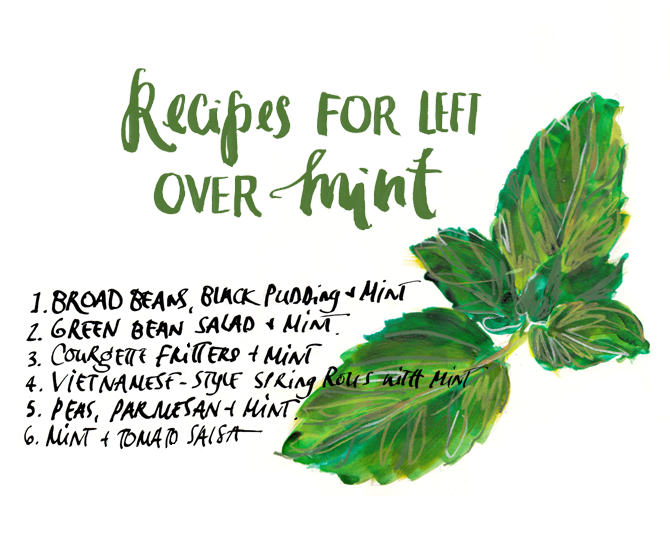
Part of a mini series of herb recipes for a magazine article on ‘Herb Gardens’.
3. Enhance the narrative of a story through the style of the editorial illustration(s).
Illustration style is very important, as it needs to match the tone of the editorial piece. That’s why finding the right illustrator for the piece of work is really important. I have found throughout the years of working will all sorts of clients, I know my work suits a certain type of brief, subjects and themes.
Examples would be editorials that cover: lifestyle, food and drink, reportage, narrative and story lead articles. Rather than say political commentary pieces.
Style also helps to engage readers, and if designed correctly, it's a great way to grab the readers attention when they are flicking through a magazine, an app or a webpage.

A series of editorial fashion illustrations for an exhibition at the V&A museum, London.
4. Editorial illustrations can be used to evoke thoughts, stir emotion and set a tone or mood.
Can illustrations really that powerful? They can be, yes! Don’t underestimate how, by style and colour for example, an illustration can make the viewer emote.
They can help your reader really connect with the text, and illustration is one of the best ways to do this. It adds an extra layer to the narrative and enhances thoughts, feelings and emotions.
This benefit also crosses over into illustration style as well. For example, if your client wishes to add a sombre illustration to a piece of editorial on a sad subject, using soft lines, muted colours or a limited colour palette would be a very effective style choice to use.
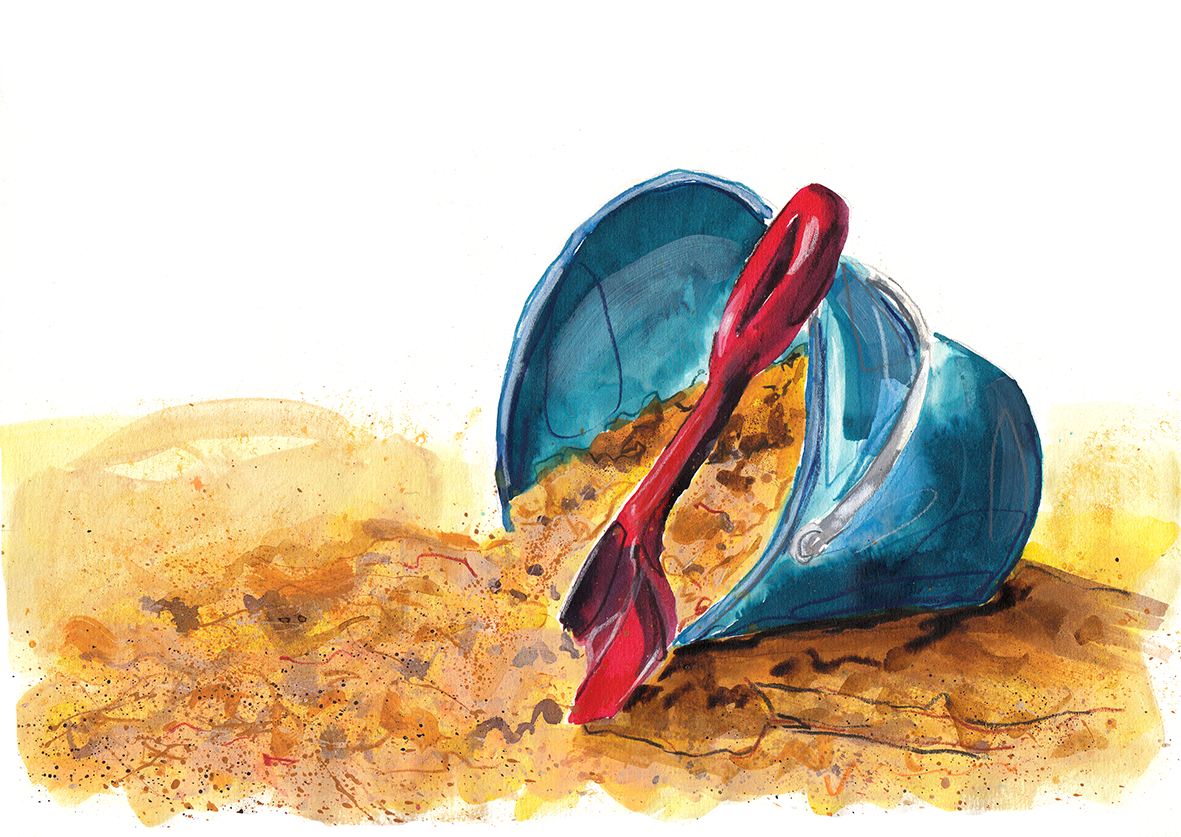
A series of illustrations from a rebrand of The Godolphin Arms, Marion, Cornwall. These were used on their website as icons and blog posts.
What to put in an editorial illustration portfolio.
Finally, if editorial is an area of illustration you would like to venture into, I would strongly advise you do your research into the types of written articles you like to read, and you might want to illustrate in the future.
Think about who your dream client would be, seek out an article, and create a self initiated project round it. That way you are allowing yourself to practise your style, and you can start to build up your own portfolio.
Don’t copy any other illustrators work, make your own! Remember your work is your USP, so use it!
So there are my 4 reasons how and why editorial illustration can really give the written word a boost! Editorials make up a large part of my client work, and I have created illustrations for all sorts of topics and applications.
I am well practised in understanding client briefs and their audiences, so if this has sparked an idea, or you want to get in touch about a possible project, you can email me: contact@abbycook.co.uk
I would love to hear from you, and if you want to ask questions about editorial illustrations you can get in touch, or ask me in the comments, I would love to connect and chat.
Until next time,
